Having an experience in industrial section. We mainly focused on electrical equipment such as battery, UPS, rectifier and distribution board. As the time goes by, we expand our product range. Diving into the market of technical equipment such as power cable, HDPE pipe, PVC pipe, lighting, junction box, etc.
Quality is always our number one priority. While maintaining the quality of our product, we always want to provide the best prices to our customers. Here are the list of products that we have been providing for the past years:
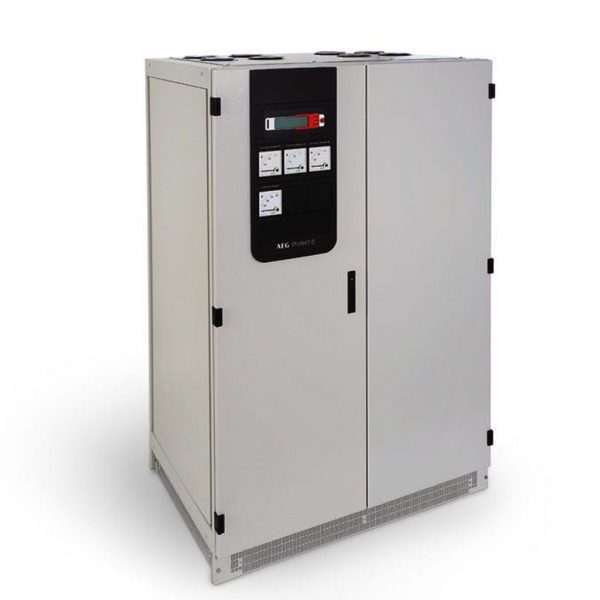
UPS provides battery backup when the electrical power fails or drops to an unacceptable voltage level. Small UPS systems provide power for a few minutes; enough to power down the computer in an orderly manner, while larger systems have enough battery for several hours. In mission critical datacenters, UPS systems are used for just a few minutes until electrical generators take over.
UPS systems can be set up to alert file servers to shut down in an orderly manner when an outage has occurred, and the batteries are running out.
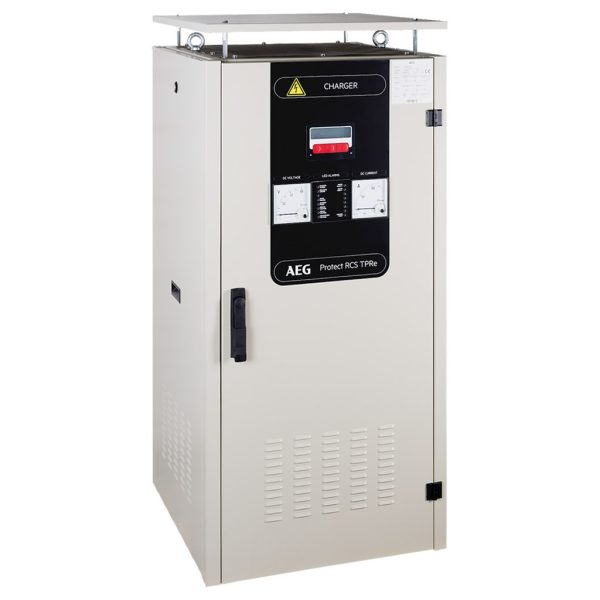
Developed and designed to provide high reliability power supply and battery charging capability. The system is suitable for charging nickel-cadmium or lead-acid batteries while supplying DC loads. It can also be used without batteries as a direct power supply.
A device that converts direct current (DC) to alternating current (AC). In general, a circuit that converts a specified frequency and voltage by combining an AC-DC converter and a DC-AC inverter, is called an inverter circuit (inverter). It have a wide range of rotation speeds with high efficiency drive and smooth rotation. Since the output voltage and the output frequency can be controlled arbitrarily, it is widely used for controlling the rotation speed for AC motors and brushless motors. Inverter control achieves low power consumption and high efficiency drive.
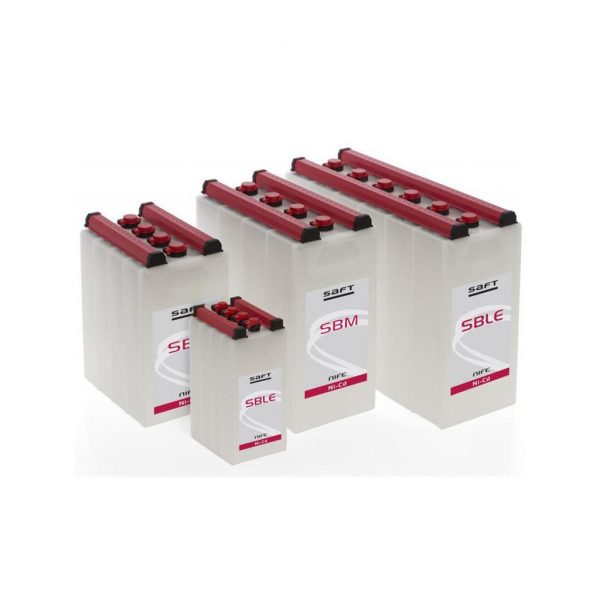
Often known as “NiCad” battery, is a rechargeable battery that uses metallic cadmium along with nickel oxide hydroxide as the cell electrodes. NiCad battery widely used in portable electronics such as power tools, flashlights, toys and model boats. Since it is considered reliable and robust, it is still used in demanding areas such as aviation safety, medical equipment and emergency lighting.
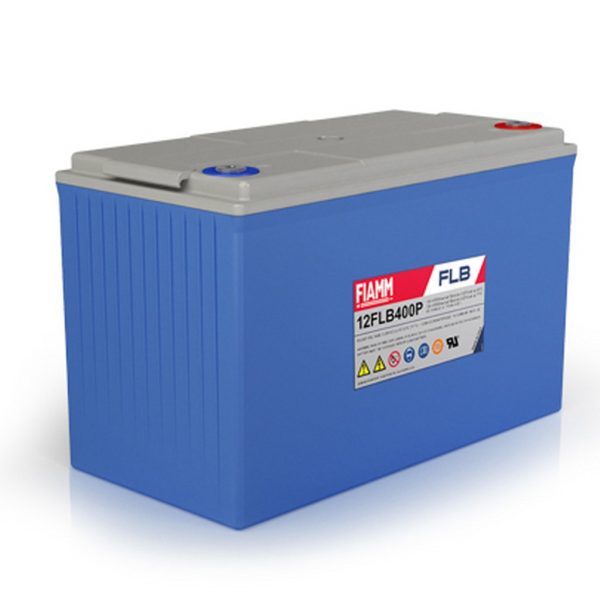
Rechargeable battery that uses lead and sulphuric acid to fuction. It consists of two electrodes submerged in an electrolyte of sulphuric acid. The positive electrode is made of metallic lead oxide while the negative electrode is attached to a grid of metallic lead.
This chemical reaction is what causes the battery to produce electricity. Then the reaction is reversed to recharge the battery. In diluted sulfuric acid, the acid molecules split into positive hydrogen ions (H+) and negative sulfate ions (SO4 − −). When it reaches the PbO2 plate, the hydrogen ions receive electrons from it and become hydrogen atom which again attacks PbO2 and forms PbO and H2O (water). This PbO reacts with H2 SO4 and forms PbSO4 and H2O (water).
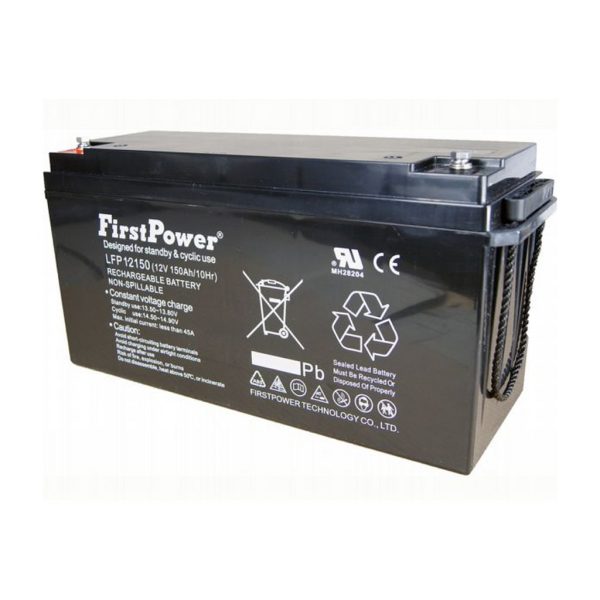
VRLA battery is a battery that do not require regular addition of water to the cells. It is constructed from less electrolyte (battery acid) than the traditional lead-acid batteries. These batteries have a safety pressure relief valve. As opposed to vented, VRLA cannot spill its electrolyte if it is inverted. The advantages of using the VRLA battery lie in its compactness, optimum space utilization, commercial affordability, minimum maintenance, safe and it can deliver the highest instantaneous power within a short time.
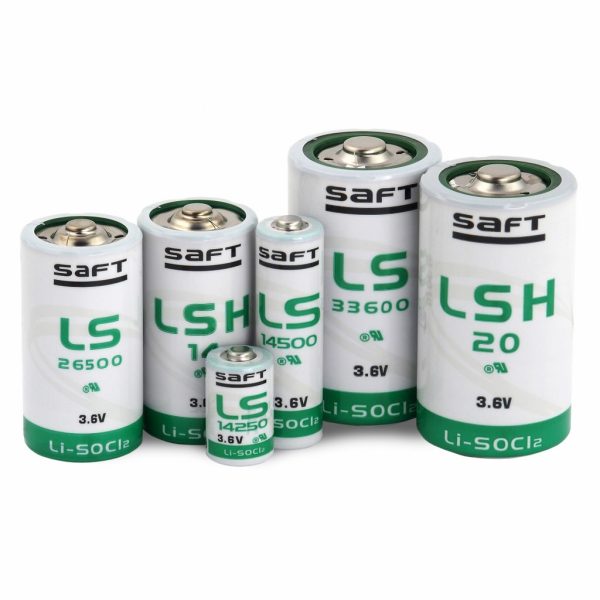
Rechargeable battery that use reversible intercalation of Li+ ions into electronically conducting solids to store energy. Compared to another rechargeable batteries, Li-ion
batteries are characterized by a higher specific energy, higher energy density, higher energy efficiency, longer cycle life and longer calendar life.
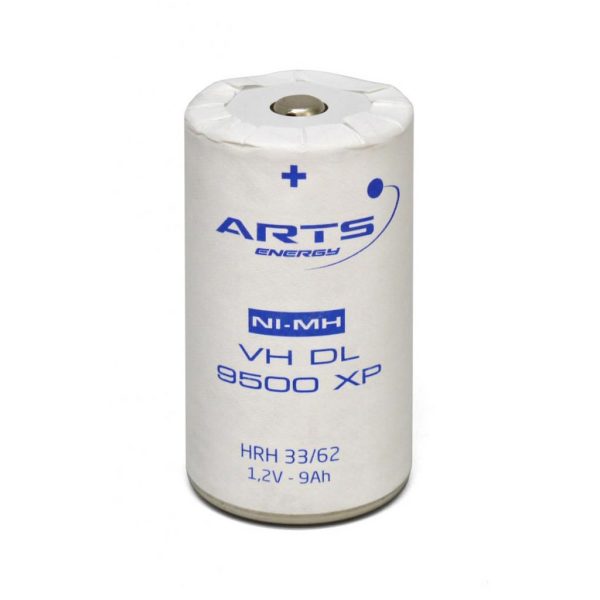
Nickel-metal hydride battery (Ni-MH) is a rechargeable battery, similar to nickel-cadmium batteries but can store twice as much energy. It have a voltage of 1.2 V, the same as the nickel-cadmium battery. Ni-MH battery does not contain toxic chemicals, it works by the oxidation of hydrides, such as lanthanum hydride, by nickel(III) oxide. Ni-MH battery also have longer shelf life and more durable than the lithium-ion battery.
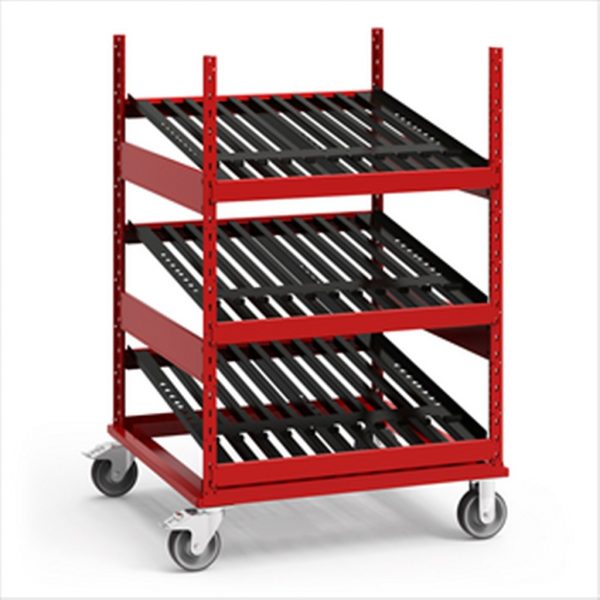
Customised cladded rack system designed to fit all types of stationary battery. Either standard or customised designs, these racks have the option to include modular cladded panels.
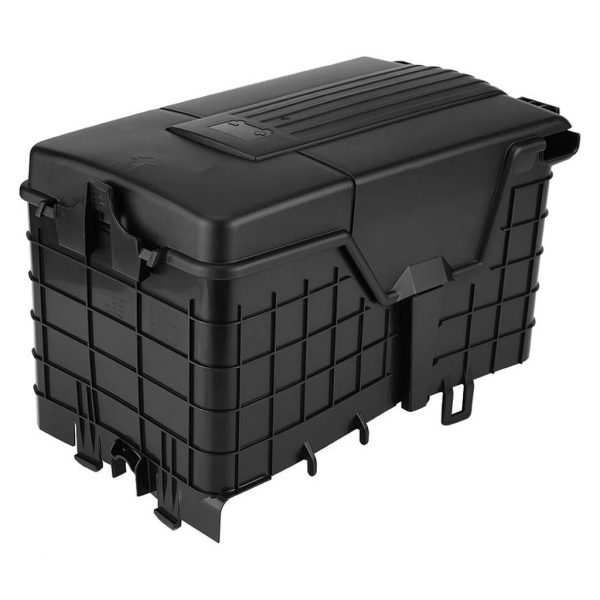
An essential safety item that will help to contain your battery and protect its integrity against threats such as water or acid spills. Also protect your battery from damage caused by unsecured vehicle cargo & other activities during carrying.
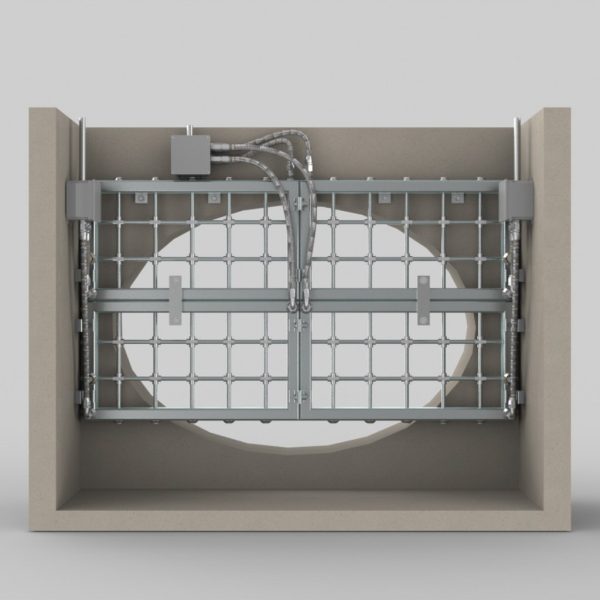
Designed as a physical barrier to delay and detect penetration through underground pathways. It is a cost effective design to provide complete detection coverage in the event of an attempted breach. The system is designed to be a near zero false alarm solution. The
design of the grate and monitoring systems ensure no alarms result from water flow,
vibration, debris, wildlife, or other environmental factors. Sensing is achieved by attenuation and not vibration, alarms only occur if the grate is severely damaged, deformed or cut.
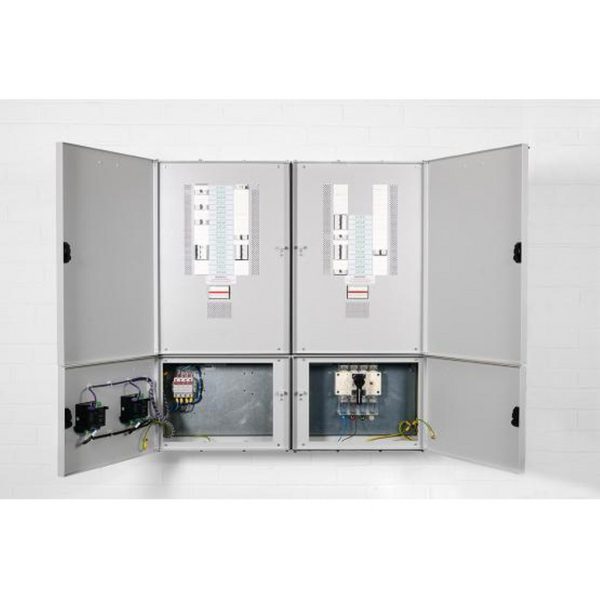
Used to safely distribute electricity throughout commercial and industrial facilities. Panel board is a component of an electrical distribution system which divides an
electrical power feed into branch circuits, while providing a protective circuit breaker or fuse for each circuit, in a common enclosure. It is also to protect branch circuits from overloads and short circuits.
Made of Polyvinyl Chloride which made for a network of pressurized and waste water piping systems and have many advantages compared to other polymeric
materials such as: presence of Calcium Zinc (No Lead), corrosion resistance, strong, light, easy to connect and maintain. Produced according to ISO standards with ISO 9001:2000 quality management system certification.
Constructed from the thermoplastic HDPE (high-density polyethylene), it has high impermeability and robust molecular bonding, making it suitable for high pressure pipelines. HDPE often used to transfer fluids and gases, it has also used to replacing aging concrete or steel mains pipelines. The black material compound have UV light resistance, strong mechanical properties and anti-corrosion.
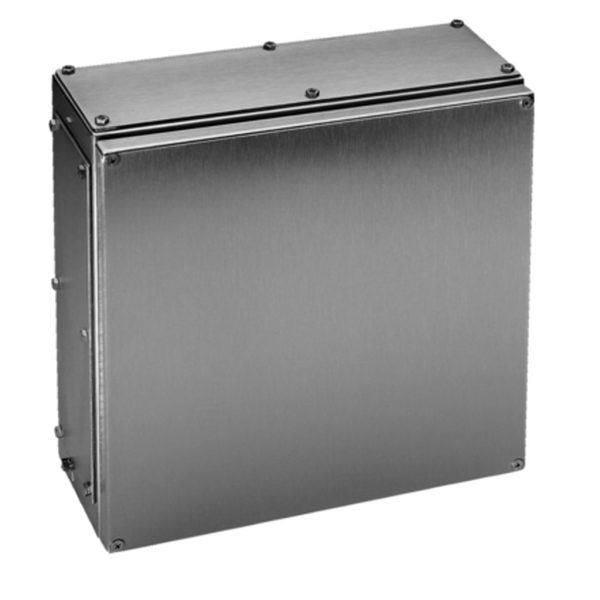
An electrical enclosure that houses one or more wiring connections. The box protects the connections, which usually contain vulnerable points such as wire splices, from environmental conditions and accidental contact, it is also have an explosion proof material. Junction box differentiated by its material, either made from metal or plastic. Metal type usually made from alumunium or stainless steel. Plastic type usually made from polycarbonate or ABS.
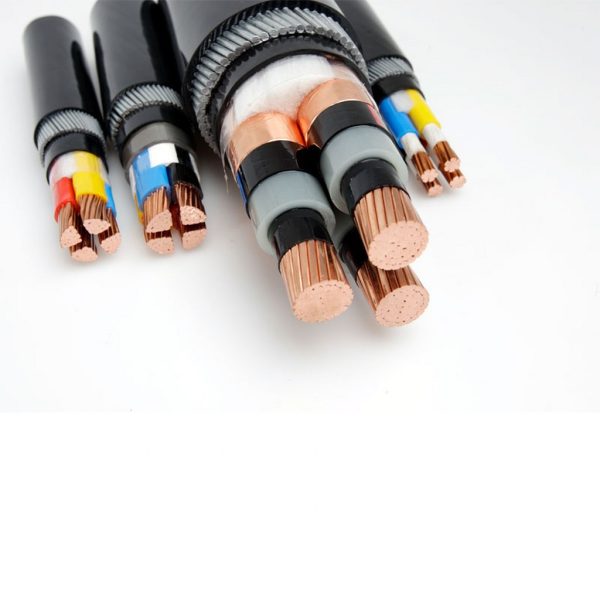
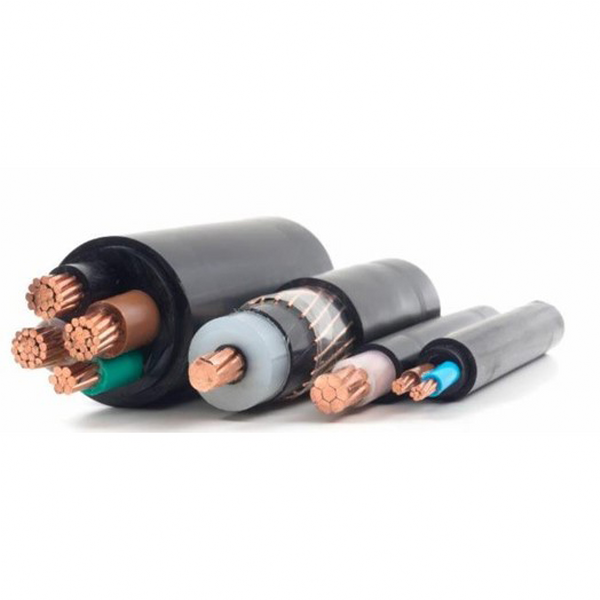
Power cable used for electric power transmission. This cable components includes a conductor and insulation. These cables are fully insulated, fully rated insulation system that will consist of insulation, semi-con layers, and a metallic shield. This cables come with
different types such as low voltage, medium voltage, high voltage, fire resistant, instrument control, flexible cables and overhead conductors.
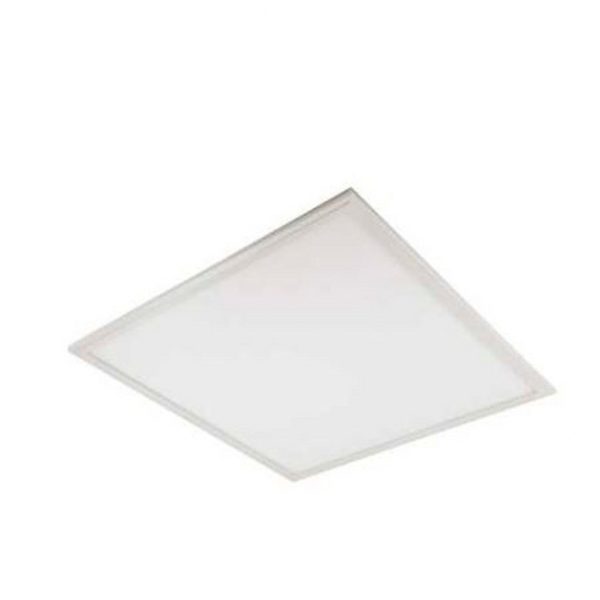
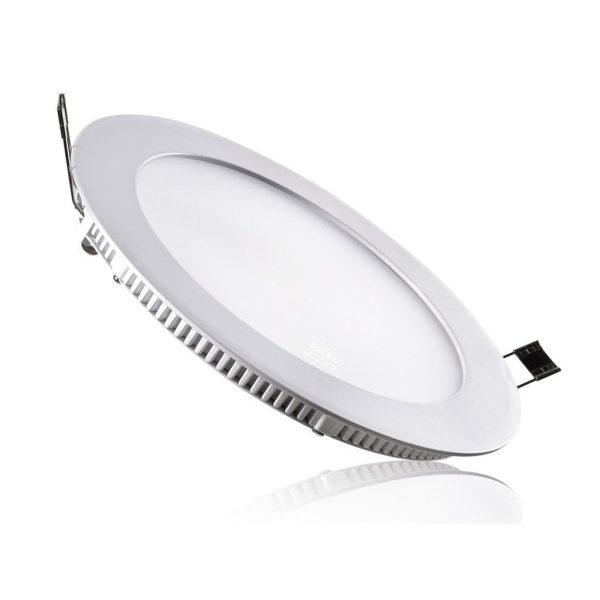
Also known as ambient lighting, provides an area with overall, non-specific illumination. Radiating a comfortable level of brightness. General lighting enables one to use and see a space according to its function. Most of general lighting also used LED as a light source.
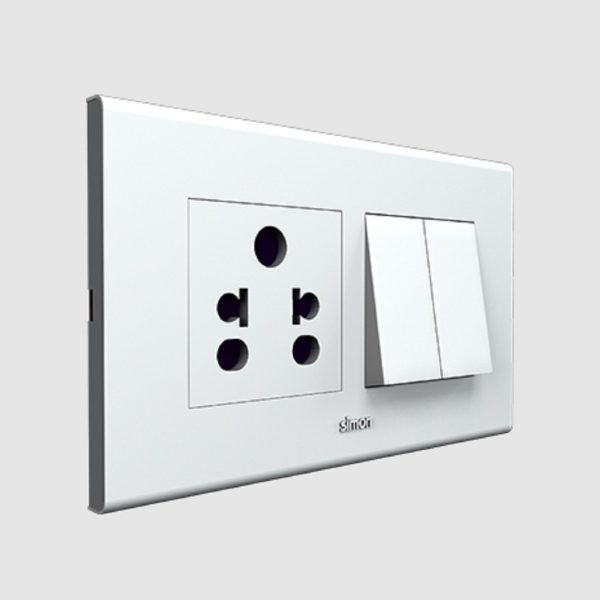
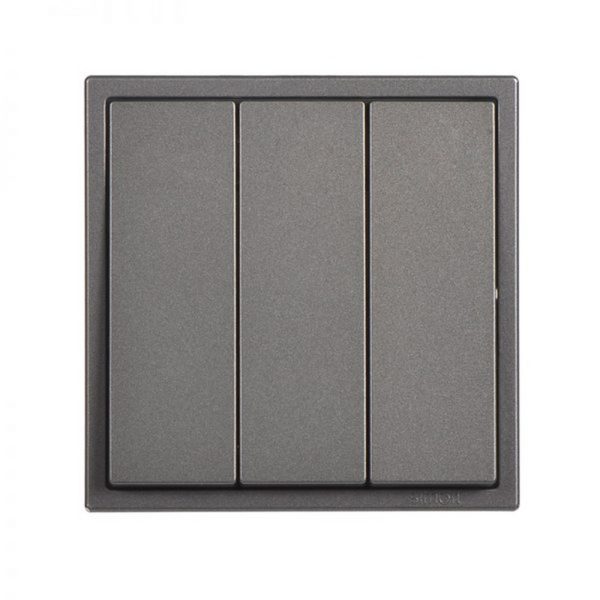
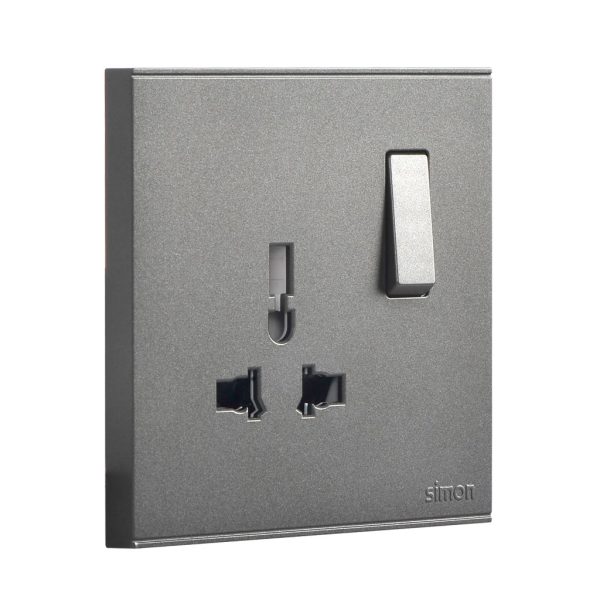
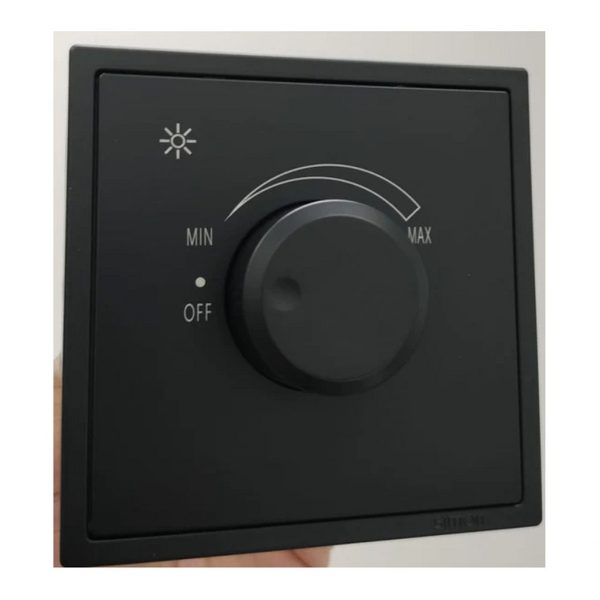
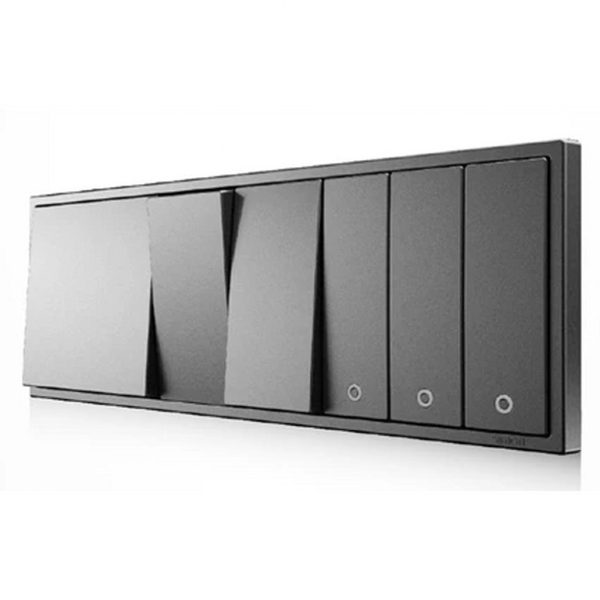
Switch is a device that is used to make or break the flow of electricity in a circuit. Meanwhile, a socket provides a point for electrical connections to power devices. Both devices are commonly used to turn lights or electrical appliances on and off.
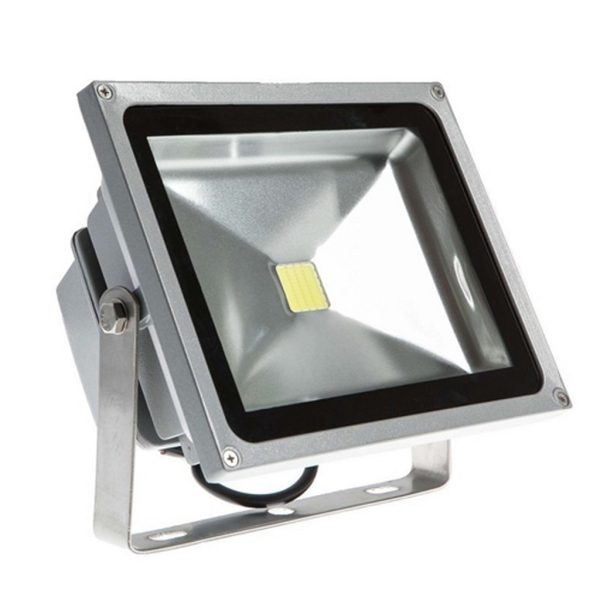
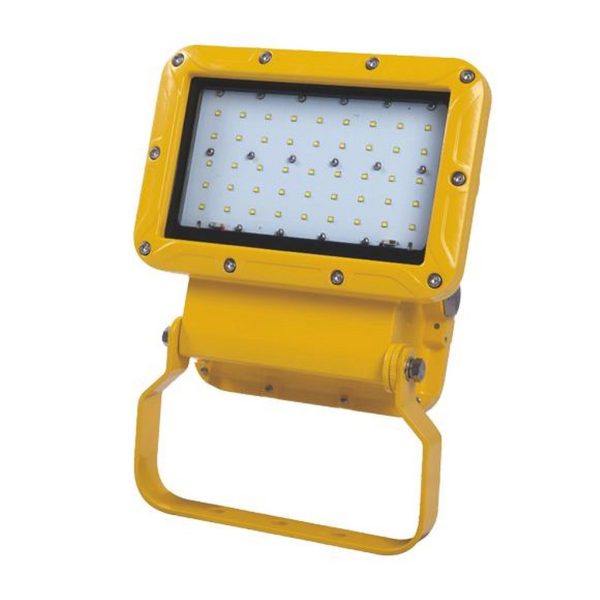
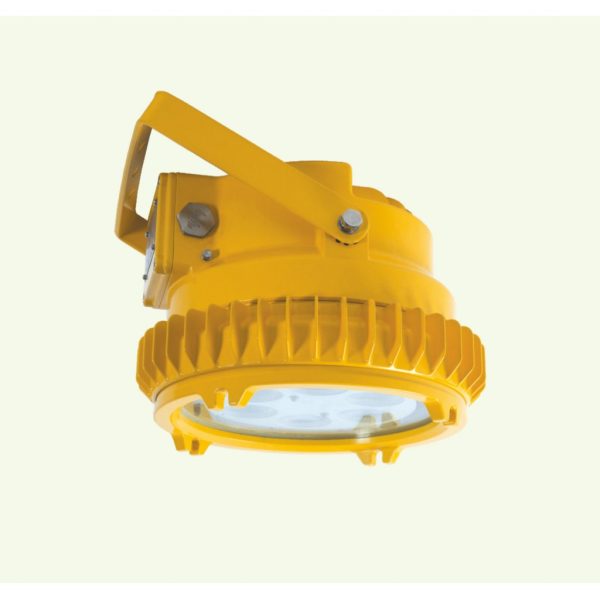
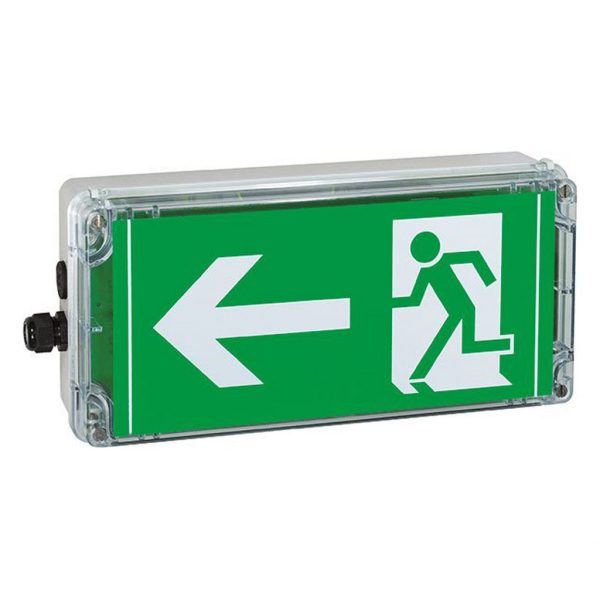
LED Light for hazardous area. Designed with an explosion proof material. Created by new COB technology with large power and white light LED array. The power of a single LED can reach 20W to 40W high lighting. Product efficient and have a long service life. Have two types of light distribution: spotlight and floodlight, which can be selected on request.
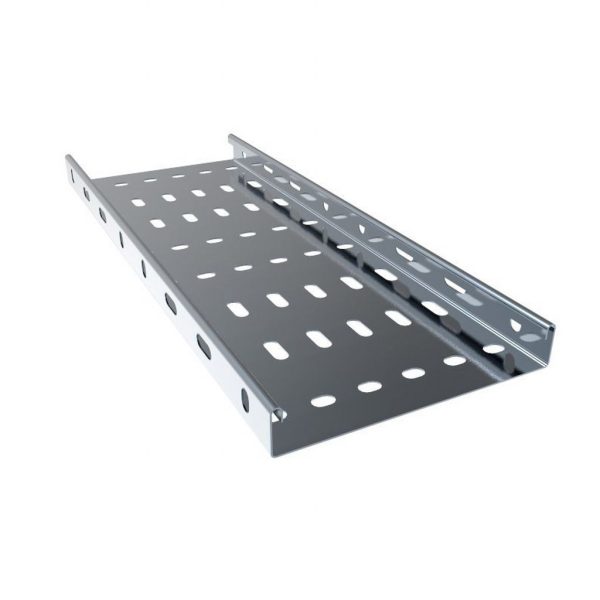
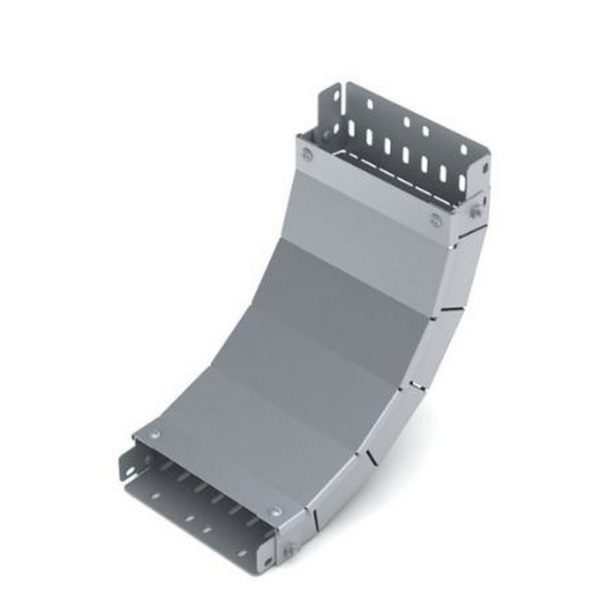
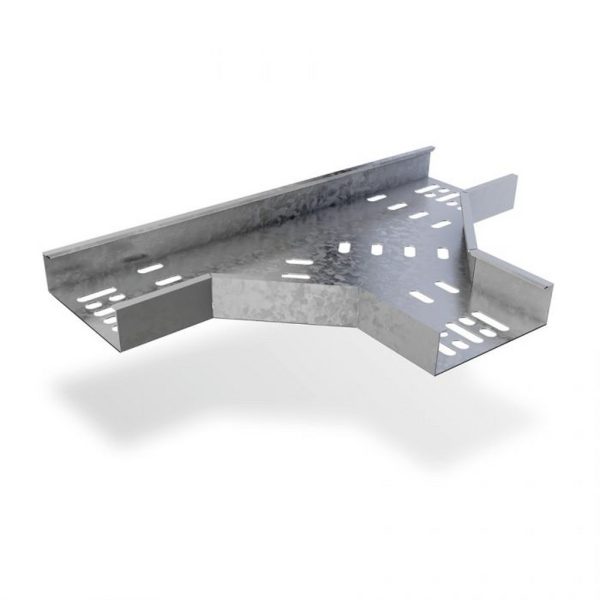
Cable tray are mechanical support systems that provide a rigid structural system for electrical cables, raceways and insulated conductors used for electric power distribution. Cable tray commonly used for cable management in commercial and industrial construction.
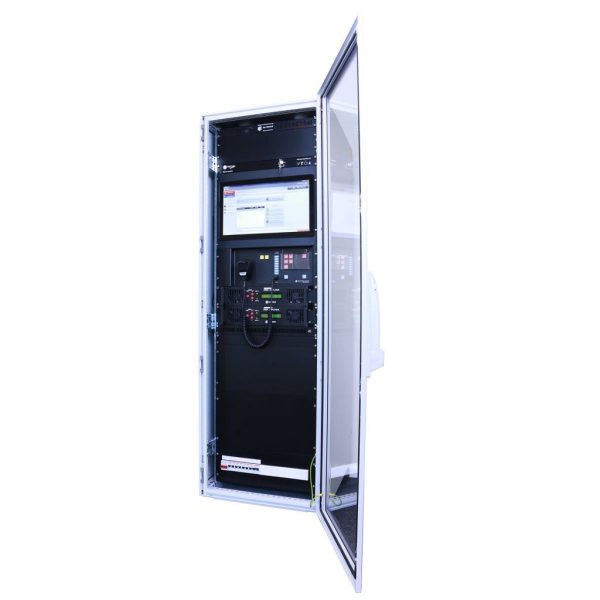
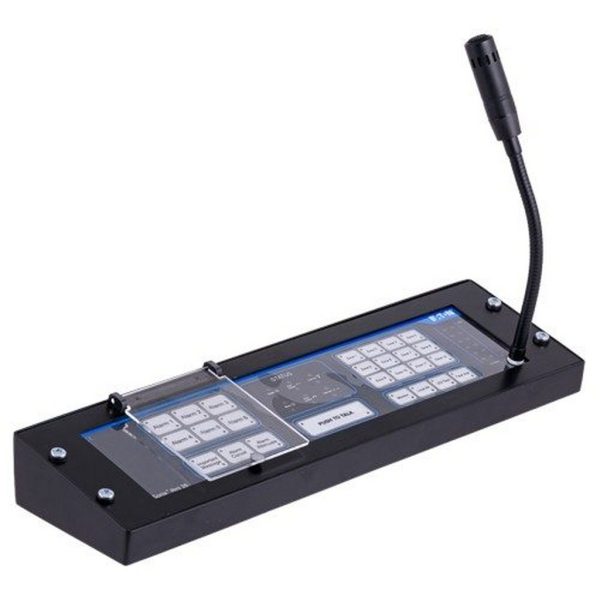
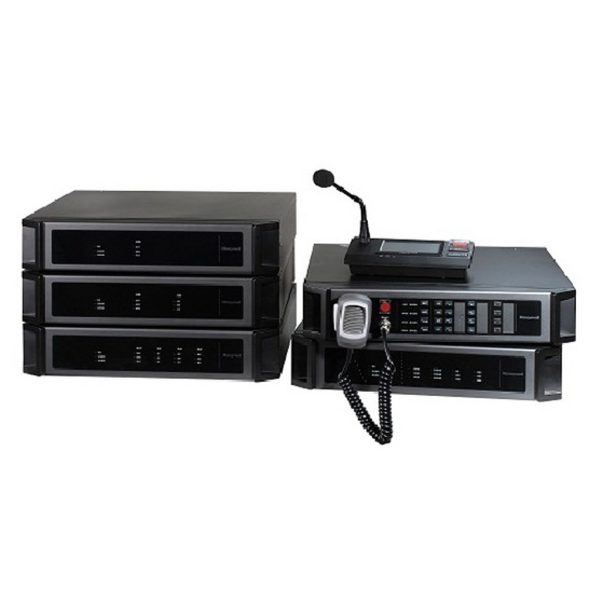
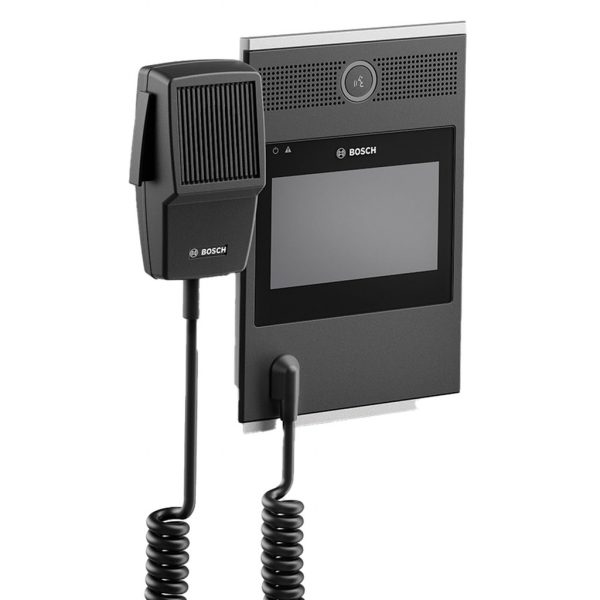
A PAGA system consists of a central unit, which broadcasts announcements, and loudspeakers are installed throughout the facility. The central unit typically includes a microphone, amplifier, and control panel. The loudspeakers are connected to the central unit via wiring. When an emergency occurs, the PAGA system can be used to immediately notify everyone in the facility. The announcement will include information about the emergency and instructions for evacuation.
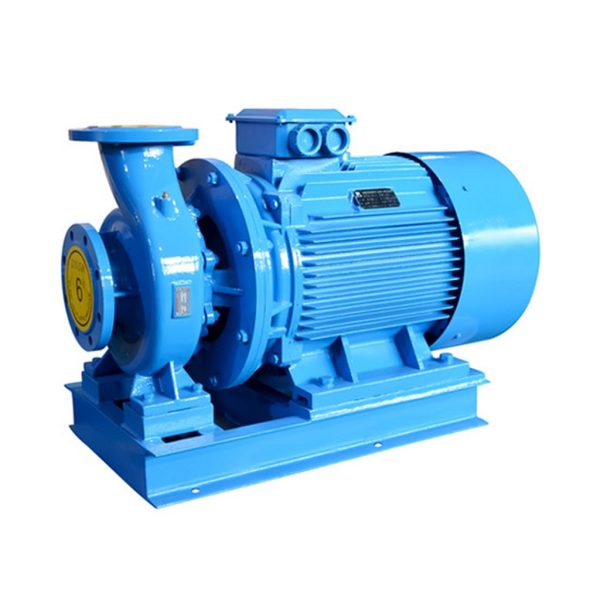
Pump system used to transfer fluids, gasses, oils and water. Usually composed of one or more than one centrifugal pumps arranged in parallel. Mechanical pumps serve in a wide range of applications such as pumping water from wells, aeration, ponds, etc.
Pump system can be classified by their method of displacement. When a pump contains two or more pump mechanism with fluid being directed to flow through is called a multi-stage pump. There are another terms to describe specifically the number of stages, it is called two-stage or double-stage. A pump that does not fit this condition is called a single-stage pump in contrast.
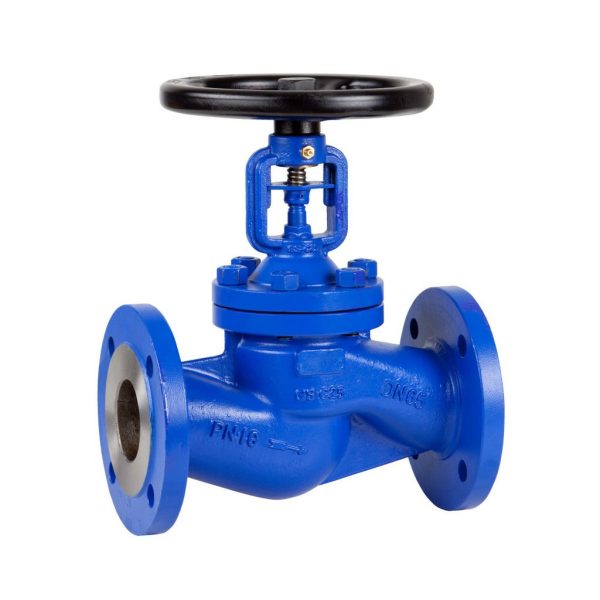
Valves are devices that work to control, regulate or direct flow within a system or process. There are many functions provide by valves including starting or stopping flow, regulating flow and pressure, controlling the direction of flow, throttling flow rates within a piping system and improving safety through relieveing pressure.
Application:
Petrochemical Industry
Chemical Industry
Power Plant
Shipbuilding
Transportation
Textiles
Commercial
Residences & Infrastructure
Irrigation System
Sewage System
Public Facilities
The quality of a product can be reflected by looking at their brand.
The following below are the brand partners that we have been using since our company was founded.
Please ask our catalog for more items.